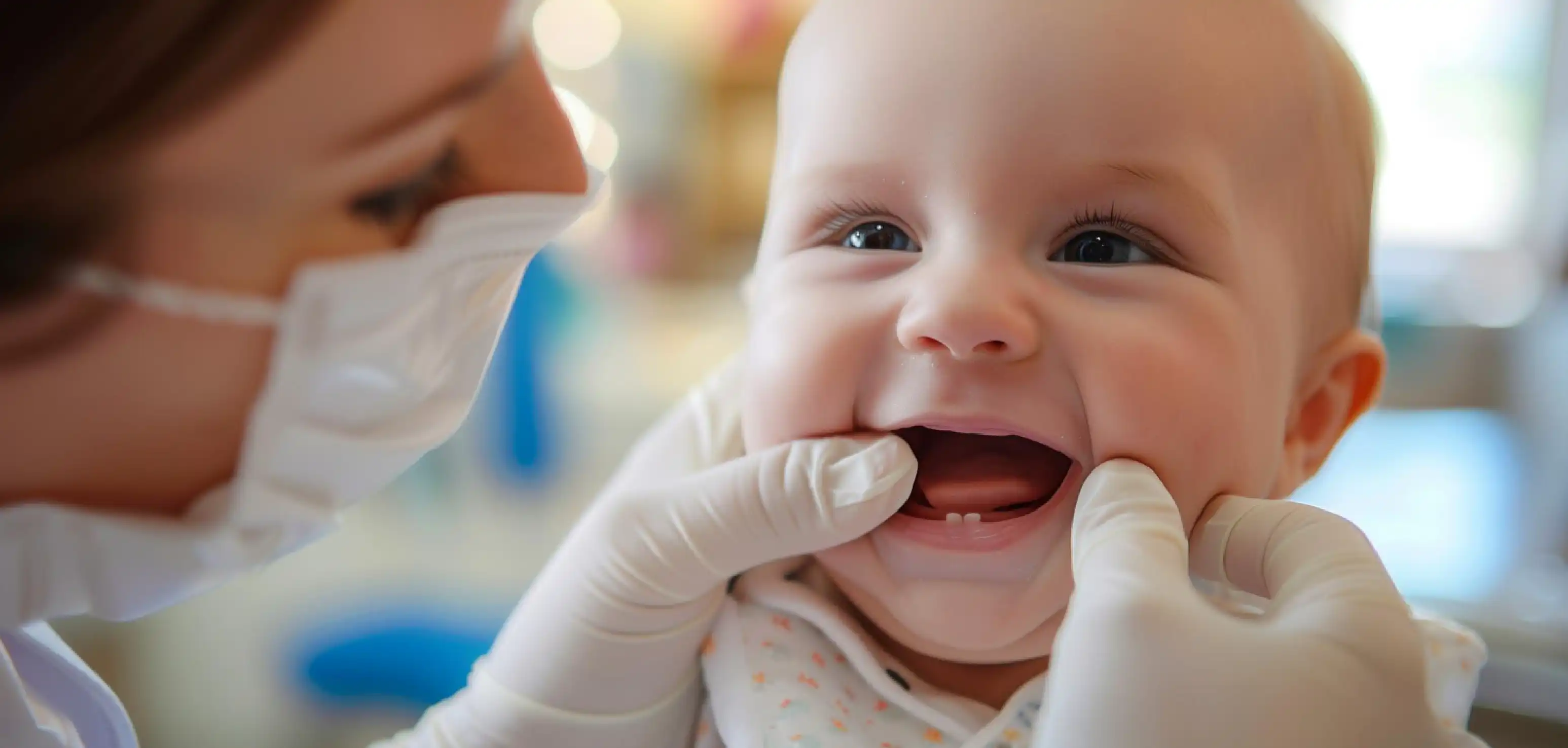
Teething Explained: When It Starts, What’s Normal, and How to Support Your Baby Through It
Teething is one of the most talked-about milestones in early childhood, and also one of the most misunderstood. For many parents, teething becomes the explanation for almost every change in behavior: crying, poor sleep, feeding issues, fever, or fussiness. While teething does cause discomfort, it is often blamed for symptoms that actually signal something else.
Understanding what teething really involves helps parents respond calmly, avoid unnecessary worry, and recognize when a baby needs comfort versus medical attention.
What teething actually is
Teething refers to the process by which a baby’s teeth move through the gums and become visible in the mouth. This process begins long before teeth appear and continues for several years.
Babies are born with all their primary teeth already formed beneath the gums. Teething is not the creation of teeth, but their gradual movement into position.
This movement can cause local gum discomfort, pressure, and irritation. However, teething is a developmental process, not an illness.
When teething usually starts
Most babies begin teething between four and seven months of age. Some start earlier, and others much later. Both patterns can be completely normal.
Early teething does not mean faster development, and late teething does not indicate delay. Genetics play a significant role in teething timelines.
The first teeth to appear are usually the lower front teeth, followed by the upper front teeth. Molars and canines come later and are often associated with more noticeable discomfort.
Teething does not happen all at once. It occurs in phases, with quiet periods in between.
Common signs of teething
Teething symptoms are usually localized and mild to moderate in intensity.
Common signs include:
- Increased drooling
- Chewing on fingers or objects
- Mild gum swelling or redness
- Temporary fussiness
- Changes in sleep due to discomfort
- Increased desire to be held
These symptoms often come and go and may be more noticeable during certain times of the day, especially at night.
Why teething discomfort varies between babies
Some babies seem to cut teeth with little visible discomfort, while others struggle more. This difference does not reflect pain tolerance or parenting quality. It reflects individual sensitivity, gum thickness, tooth position, and temperament.
Discomfort also tends to be more noticeable with larger teeth, such as molars, because they move through more gum tissue.
Teething pain is usually short-lived around the time a tooth is about to emerge. Prolonged distress is unlikely to be caused by teething alone.
Symptoms often incorrectly blamed on teething
Teething is commonly blamed for symptoms that actually need medical attention.
Symptoms that are not typically caused by teething include:
- High fever
- Persistent diarrhea
- Vomiting
- Severe lethargy
- Loss of appetite for extended periods
- Rash beyond the mouth or chin area
While mild temperature elevation can occur due to gum inflammation, a true fever usually indicates infection.
Attributing serious symptoms to teething can delay necessary care. When in doubt, it is safer to evaluate than assume.
Teething and sleep disturbances
Many parents notice sleep disruptions during teething periods. Mild discomfort can make it harder for babies to settle, especially at night when distractions are fewer.
However, sleep changes often coincide with developmental milestones such as rolling, sitting, or crawling, which are also common in the same age range as teething.
Not all sleep disruption during infancy is caused by teeth. Understanding this helps avoid unnecessary interventions.
Comfort, reassurance, and consistency are usually more effective than drastic changes.
Safe ways to soothe teething discomfort
Teething discomfort can usually be managed with simple, supportive measures.
Gentle gum massage with a clean finger can provide temporary relief. Chilled, not frozen, teething rings may help reduce gum irritation. Offering something safe to chew satisfies the natural urge to apply pressure.
Extra cuddling and comfort are often just as important as physical remedies. Babies seek reassurance when uncomfortable.
Pain relief methods should always be age-appropriate and used cautiously. Avoid products or remedies that are not medically recommended.
Teething gels and medications
Over-the-counter teething gels and home remedies are widely marketed, but not all are safe.
Products containing numbing agents are generally not recommended for infants due to potential risks. Natural remedies should also be approached carefully, as “natural” does not automatically mean safe.
If pain seems significant, consult a pediatrician before using any medication. Medication should support comfort, not replace observation and care.
Drooling, rashes, and teething
Increased drooling is a normal part of teething and oral development. Excess saliva can irritate the skin around the mouth, chin, and neck, causing a mild rash.
Keeping the area clean and dry, changing wet clothing promptly, and using gentle barrier creams can help prevent irritation.
Drool rashes are superficial and different from rashes associated with illness.
Teething does not change your baby’s personality
During teething phases, babies may appear more irritable or clingy. This is a response to discomfort, not a permanent change.
Once the tooth emerges and pressure decreases, behavior usually returns to baseline. Prolonged changes in mood or behavior should not be attributed to teething without evaluation.
The emotional experience of teething for parents
Teething can be emotionally tiring for parents, especially when sleep is disrupted or comfort seems ineffective. It is normal to feel uncertain or frustrated during these phases.
Remember that teething periods are temporary. Responding with patience, comfort, and realistic expectations supports both baby and caregiver.
You do not need to fix teething. You only need to support your baby through it.
When to seek medical advice
Consult a healthcare provider if:
- Symptoms are severe or worsening
- Fever is present
- Feeding drops significantly
- Baby appears unusually lethargic
- Symptoms last longer than expected
Teething should not cause prolonged or severe illness.
A calm perspective on teething
Teething is a normal part of development, not a medical problem to solve. It brings temporary discomfort but also marks growth and progress.
Understanding what teething is and what it is not helps parents stay calm, respond appropriately, and avoid unnecessary worry.
Your baby does not need you to eliminate discomfort completely. They need you to be present, responsive, and observant.
With time, each tooth emerges, the discomfort passes, and another small step in development is complete.