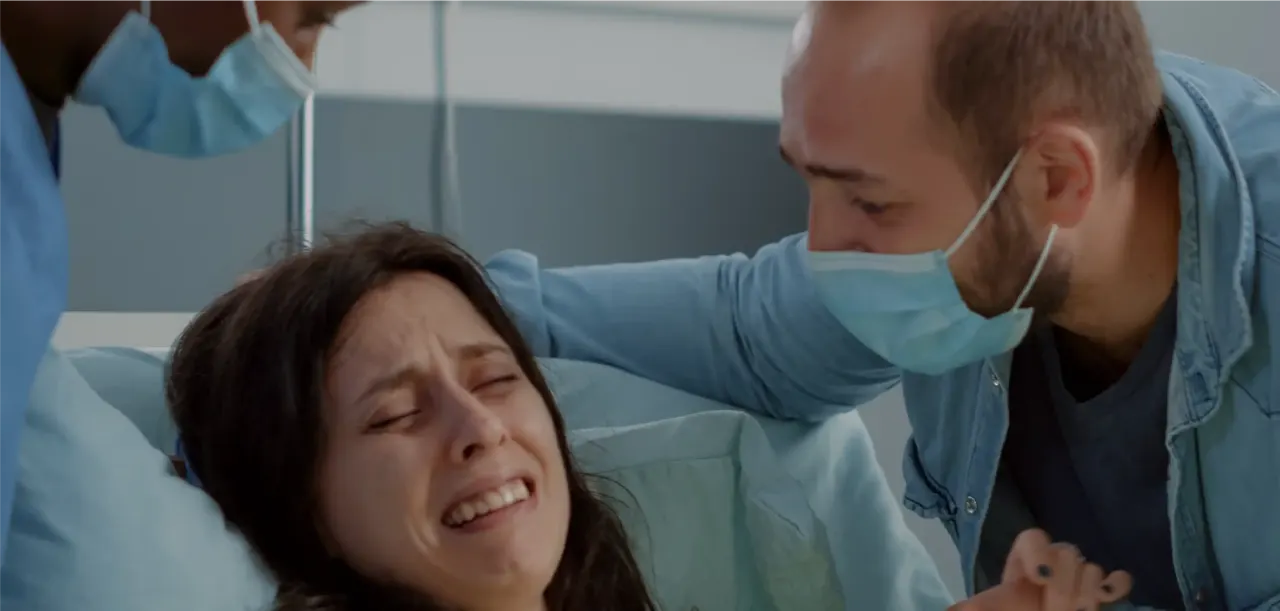
When Pregnancy or Birth Is Traumatic: Understanding, Validating, and Healing After Difficult Experiences
Pregnancy and birth are often spoken about as joyful milestones, but for many women, the experience is marked by fear, loss, pain, or a sense of helplessness. When expectations of safety and care are disrupted, the experience can become traumatic.
Trauma does not require a dramatic emergency or visible complication. It is defined by how the experience is felt and processed, not by how it appears from the outside.
Understanding pregnancy and birth trauma is the first step toward healing. Silence and minimization only deepen the wound. Recognition allows recovery to begin.
What makes pregnancy or birth traumatic
Trauma occurs when an experience overwhelms a person’s ability to cope, leaving them feeling unsafe, powerless, or deeply distressed. In pregnancy and birth, trauma can arise from many situations.
Some women experience trauma due to medical emergencies such as severe complications, emergency surgeries, or NICU admissions. Others experience it through loss, including miscarriage, stillbirth, or neonatal loss. Trauma can also result from feeling ignored, dismissed, or pressured during care, even when medical outcomes are considered “normal.”
Loss of control, unexpected outcomes, intense fear for one’s life or the baby’s life, and lack of emotional support all contribute to trauma. What matters is not whether others believe the event was traumatic, but whether the mother experienced it as such.
Trauma is not measured by outcome
One of the most painful aspects of birth trauma is invalidation. Women are often told they should be grateful because the baby is healthy or the procedure was successful. While gratitude and grief can coexist, dismissing trauma because of a positive outcome prevents healing.
A birth can be medically successful and emotionally devastating at the same time. Survival does not erase fear. Health does not cancel loss of dignity or agency. Trauma is about the nervous system’s response to threat, not about statistics or clinical definitions.
How trauma shows up after pregnancy or birth
Trauma does not always appear immediately. Some women feel numb at first and struggle later. Others experience intense emotional responses right away.
Common trauma responses include intrusive memories, flashbacks, nightmares, or distress when reminded of pregnancy or birth. Some women avoid medical settings, baby-related conversations, or even physical intimacy. Others feel detached from their body, their baby, or their emotions.
Physical symptoms may include tension, exhaustion, sleep disturbances, or unexplained pain. Emotional symptoms can include anxiety, anger, guilt, sadness, or a sense of failure. These responses are not weakness. They are signs that the body and mind are trying to process an overwhelming experience.
Trauma after pregnancy loss
Loss during pregnancy carries a unique kind of trauma. The loss is often invisible to others but deeply real to the mother. Alongside grief, there may be shock, confusion, and a sense of betrayal by the body.
Women may struggle with questions that have no clear answers, such as why it happened or whether it could have been prevented. Social silence around pregnancy loss often intensifies isolation, making trauma harder to process.
Grief after loss does not follow a timeline. Trauma can resurface during future pregnancies, anniversaries, or even unrelated medical events. Acknowledging the depth of the loss is essential for healing.
Trauma from difficult or emergency births
Emergency interventions, loss of bodily autonomy, or sudden changes in birth plans can leave lasting emotional impact. Feeling rushed, unheard, or powerless during birth can imprint deeply, even when care was necessary.
For some women, the trauma is not the procedure itself but the way it was communicated or handled. Being excluded from decisions, spoken to harshly, or treated as an object rather than a person can break trust and safety at a vulnerable moment.
These experiences can affect future healthcare interactions and create fear around subsequent pregnancies or medical care.
The connection between trauma and postpartum mental health
Unprocessed trauma increases the risk of postpartum depression, anxiety, and post-traumatic stress symptoms. Trauma can interfere with bonding, not because the mother lacks love, but because her nervous system remains in survival mode.
It is important to understand that trauma does not make someone a bad mother. It makes them a human being responding to distress. Healing trauma often improves emotional availability and connection over time.
Why many women minimize their trauma
Many women downplay their trauma because they believe others had it worse, because they were told to be grateful, or because they fear being seen as weak. Cultural narratives around motherhood often glorify endurance and silence suffering.
Minimizing trauma delays healing. Pain does not disappear when ignored. It often resurfaces in other forms, including chronic anxiety, physical symptoms, or emotional numbness.
Validation is not about exaggeration. It is about honesty.
What healing from pregnancy or birth trauma looks like
Healing does not mean forgetting the experience or pretending it did not hurt. It means allowing the body and mind to process what happened safely.
Healing often begins with naming the experience as traumatic without judgment. Talking to someone who listens without correcting or minimizing can be deeply restorative. Some women find relief in writing, others in therapy, others in shared experiences with women who understand.
Professional support, especially trauma-informed therapy, can help regulate the nervous system, reduce intrusive memories, and restore a sense of safety. Healing is not linear. Progress may come in waves, and setbacks are part of the process.
When to seek professional help
If distress interferes with daily functioning, relationships, sleep, or bonding, professional support is important. Reaching out is not a sign of failure. It is an act of self-protection.
Trauma deserves care just as much as physical injury. Emotional wounds heal best when they are seen and supported.
Supporting someone who has experienced trauma
If you are supporting someone who has had a traumatic pregnancy or birth, listening without advice is often the most powerful thing you can offer. Avoid minimizing, comparing, or rushing them to feel better.
Healing happens in the presence of safety and respect, not pressure.
A compassionate truth about trauma
Trauma changes people, but it does not define them forever. Many women emerge from traumatic experiences with deeper self-awareness, resilience, and compassion, once healing begins.
You are not broken because pregnancy or birth hurt you. You are responding normally to an abnormal level of stress. Your experience matters. Your feelings are valid. And with support, healing is possible.