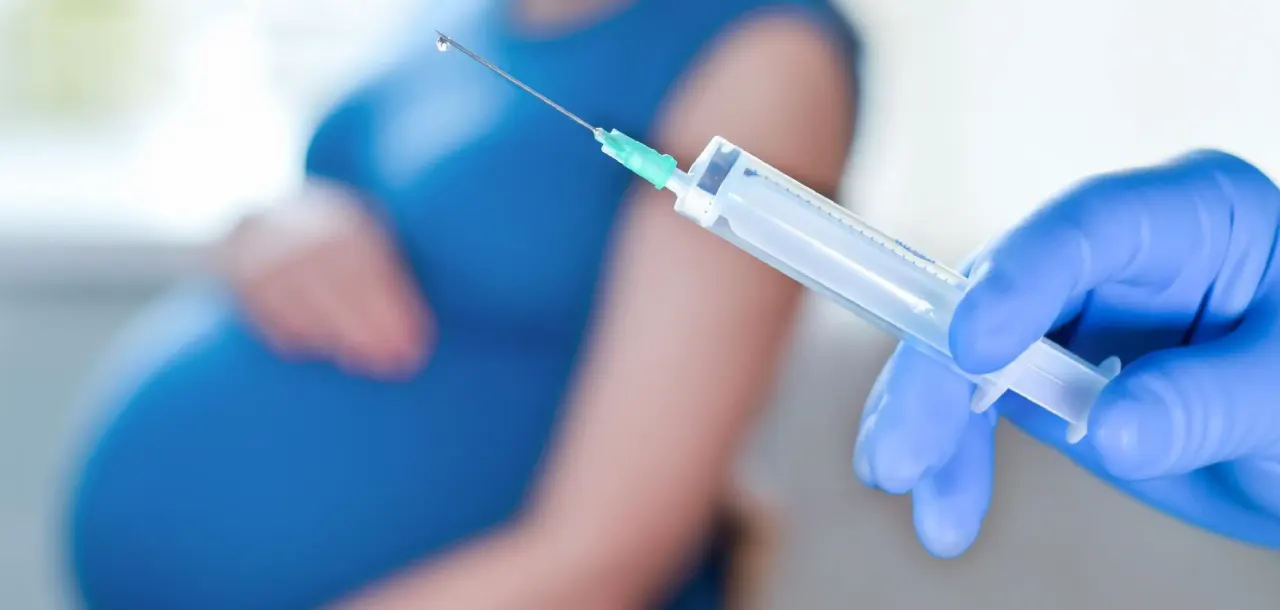
Why Vaccinations Matter During Pregnancy: Protecting Two Lives With One Decision
Vaccinations during pregnancy often raise questions and concerns. Many women wonder whether vaccines are truly necessary, whether they are safe for the baby, and why they are recommended at a time when everything feels so sensitive. These concerns are understandable. Pregnancy is a phase where every decision feels significant because it affects not just one life, but two.
Vaccinations during pregnancy are not given casually. They are recommended based on decades of medical research, global health data, and real-world outcomes. Their purpose is simple but powerful: to protect the mother from serious illness and to give the baby early immunity during the most vulnerable months of life.
Understanding why vaccinations matter helps replace fear with clarity.
How pregnancy changes the immune system
During pregnancy, the immune system adapts to support the growing baby. This adaptation is necessary, but it also means that pregnant women can become more vulnerable to certain infections.
Illnesses that may be mild in non-pregnant adults can become more severe during pregnancy. Fever, respiratory infections, and systemic illnesses can affect oxygen levels, increase stress on the body, and sometimes lead to complications such as preterm labor.
Vaccinations help strengthen the immune response during this period of increased vulnerability.
How maternal vaccination protects the baby
One of the most important reasons vaccines are given during pregnancy is to protect the newborn.
When a pregnant woman receives certain vaccines, her body produces antibodies. These protective antibodies cross the placenta and reach the baby. This process is called passive immunity.
Newborns have immature immune systems and cannot receive many vaccines immediately after birth. Maternal antibodies help bridge this gap, protecting the baby during the first weeks and months of life when they are most at risk.
In this way, one vaccine protects two lives.
Why timing of vaccines during pregnancy matters
Vaccines are recommended at specific times during pregnancy to maximize benefit and safety.
The timing ensures:
- Optimal antibody transfer to the baby
- Protection during periods of higher risk
- Minimal interference with early fetal development
Vaccines are not given randomly. Each recommendation is based on how the body responds at different stages of pregnancy.
Common vaccines recommended during pregnancy
Certain vaccines are commonly advised because of their proven benefits.
These vaccines help protect against infections that can be severe or life-threatening for newborns and pregnant women. The goal is not to overload the immune system, but to strengthen it against specific, preventable risks.
Your healthcare provider recommends vaccines based on medical guidelines, regional disease prevalence, and individual health factors.
Vaccine safety: addressing common fears
One of the biggest concerns around pregnancy vaccination is safety. This fear often comes from misinformation, outdated beliefs, or lack of clear explanation.
Vaccines recommended during pregnancy:
- Are extensively studied in pregnant populations
- Do not contain live viruses that could infect the baby
- Are monitored continuously for safety outcomes
- Are recommended by global health authorities
Serious adverse effects are extremely rare. The risks associated with vaccine-preventable infections are far higher than the risks associated with vaccination.
Safety recommendations evolve with evidence, not assumptions.
What happens if a pregnant woman gets sick
Infections during pregnancy can have serious consequences.
They may:
- Increase the risk of hospitalization
- Affect oxygen supply to the baby
- Trigger early labor
- Lead to complications in newborns after birth
Vaccination reduces the severity and likelihood of these outcomes. Even if illness occurs, vaccinated individuals often experience milder symptoms and recover more quickly.
Prevention is far safer than treatment during pregnancy.
Vaccination and breastfeeding
Vaccination benefits do not stop at birth.
Antibodies continue to be passed to the baby through breast milk, offering additional protection during infancy. This further strengthens the baby’s immune defense while their own system matures.
Vaccination during pregnancy supports a longer chain of protection that extends into the postpartum period.
Addressing cultural and social concerns
Many women face conflicting advice from family, community members, or online sources. Some concerns are rooted in past experiences, while others come from fear-based narratives.
It is important to remember:
- Medical recommendations are based on population-level safety and effectiveness
- Anecdotal stories do not replace scientific evidence
- Declining vaccines out of fear can increase risk rather than reduce it
Having open discussions with a trusted healthcare provider helps clarify doubts and respects individual concerns without judgment.
When vaccines may be postponed or adjusted
There are rare situations where vaccine timing may be adjusted due to medical reasons. This decision is always made by a healthcare provider based on individual health status.
This flexibility does not mean vaccines are unsafe. It reflects personalized care rather than rigid rules.
Making informed decisions without pressure
Vaccination decisions should be informed, not forced.
Understanding the purpose, benefits, and safety of vaccines allows you to decide from a place of confidence rather than fear. Asking questions is part of responsible care, not resistance.
A good healthcare provider welcomes discussion and explains recommendations clearly.
A grounded perspective on vaccination in pregnancy
Vaccinations during pregnancy are acts of protection, not risk. They reduce preventable illness, support maternal health, and give babies a stronger start in life.
Choosing vaccination is not about blindly following advice. It is about understanding evidence, assessing risk realistically, and choosing prevention over uncertainty.
Protecting yourself during pregnancy is one of the most meaningful ways to protect your baby. Vaccinations are one of the safest and most effective tools available to do exactly that.